


What Is Polyester Fiber
Polyester fiber is a synthetic or man-made fiber derived from polyester, a polymer made from petroleum. It is created through a process called polymerization, where polyester fibers are formed by combining multiple esters. Polyester is known for its durability, strength, and resistance to various chemicals and weather conditions. It is widely used in various applications such as clothing, home furnishings, industrial textiles, and many more.
Advantages of Polyester Fiber
Durability
They are resistant to most chemicals and are not easily damaged by exposure to sunlight, mildew, or abrasion. Polyester fibers are capable of retaining their shape and color after repeated washings, making them a reliable and long-lasting choice for many applications.
Water and stain resistance
This is due to the hydrophobic nature of polyester fibers, meaning that they repel water and don't absorb liquids as easily as other materials like cotton. This makes polyester fabrics ideal for use in outdoor or athletic clothing, as well as for upholstery and home decor items that may be prone to spills or stains.
Excellent insulator
Polyester fibers provide excellent insulation, making them ideal for use in items that need to keep heat or cold out. The excellent insulation properties of polyester fibers make them a versatile material that can be used in a range of industries and applications.
Lightweight
Polyester fibers are lightweight, making them a great choice for clothing and accessories that need to be comfortable and easy to wear. They are also a popular choice for outdoor gear, such as tents and backpacks, as they add little weight to the overall load.
Versatility
Polyester fibers can be combined with other materials to create a range of fabrics with different qualities and characteristics. Polyester can add durability, wrinkle resistance, and color fastness. Blends of polyester and spandex can create stretchy, form-fitting garments such as yoga pants and swimsuits.
Fade resistant
Polyester fibers are resistant to fading, making them ideal for use in items that will be exposed to sunlight or outdoor elements. The fibers in fade-resistant polyester are treated with special chemicals that help prevent UV rays from breaking down the coloring agents in the fibers, thus reducing the risk of fading.


Why Choose Us
High quality
Our products are manufactured or executed to a very high standard, using the finest materials and manufacturing processes.
Advanced equipment
A machine, tool or instrument designed with advanced technology and functionality to perform highly specific tasks with greater precision, efficiency and reliability.
Customized services
Our team of experts will work closely with you to understand your needs and will provide solutions that are tailored to meet your expectations.
Quality control
We have built a professional quality control team to accurately inspect every raw material and every production process.
Professional team
Our professional team collaborates and communicates effectively with each other, and is dedicated to delivering high quality results. We are capable of handling complex challenges and projects that require our specialized expertise and experience.
24H online service
We try and respond to all concerns within 24 hours and our teams are always at your disposal in case of any emergencies.
Types of Polyester Fiber

PET (Polyethylene terephthalate) fibers
PET fibers are one of the most common types of polyester fibers. They are widely used in the textile industry, especially for making fabrics for clothing and home furnishing.

PCDT (Poly-1,4-cyclohexylene-dimethylene terephthalate) fibers
These fibers are known for their high tenacity and excellent heat resistance. They are often used in industrial applications such as tire cords, conveyor belts, and hoses.

PTT (Polytrimethylene terephthalate) fibers
PTT fibers are a newer type of polyester fiber. They are known for their softness, stretch, and resilience. They are often used in sports and outdoor clothing, as well as in home furnishing.

PBT (Polybutylene terephthalate) fibers
These fibers are similar to PET fibers but have a lower melting point. They are often used in the automotive industry for making seat covers and other interior components.

PLA (Polylactic Acid) fibers
PLA fibers are made from renewable resources such as corn starch or sugarcane. They are biodegradable and environmentally friendly. They are often used in the production of clothing, packaging, and medical devices.
Material of Polyester Fiber
Polyester is a synthetic fiber made from petroleum-based products. It is produced by combining ethylene glycol and terephthalic acid. The resulting polymer is then melted and spun into fibers. Once the fibers have cooled and hardened, they are woven or knitted into usable fabric. Polyester fibers are known for their durability, resistance to wrinkles and shrinking, and ability to retain their shape. They are often used in clothing, upholstery, and other textiles.
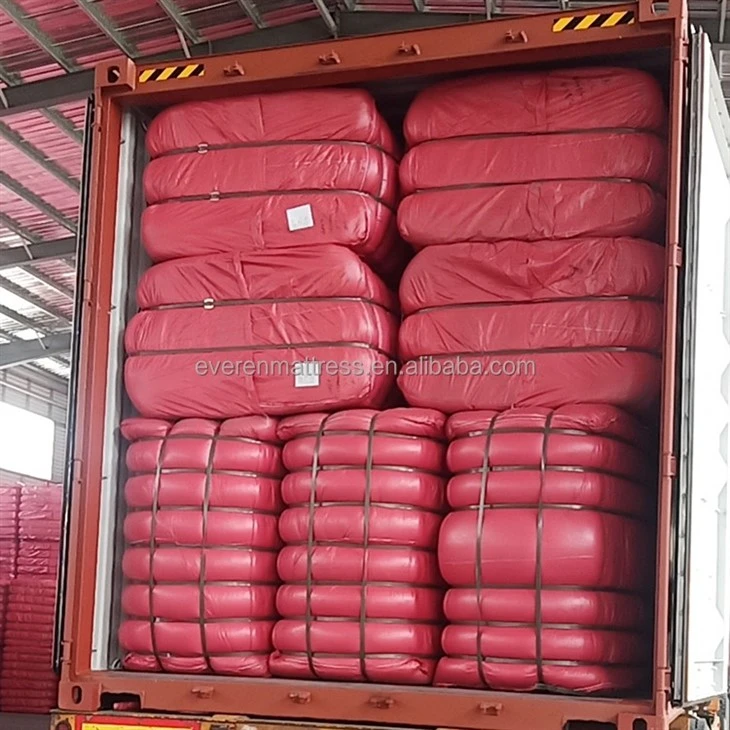
Application of Polyester Fiber
Polyester is also often used in mixed blends with other fabrics like wool and cotton to enhance its strength and durability while maintaining a softness and comfort against the skin. Polyester clothing is also known for its resistance to wrinkles, shrinking, and fading, which makes it an excellent fabric for travel clothing or uniforms.
Polyester fiber is a popular choice for home textiles because it is durable, easy to care for, and cost-effective compared to natural fibers like cotton or wool. Curtains made from polyester fiber can be lightweight or heavy, depending on the density of the fabric. They can be plain or patterned, and can be printed with vibrant colors or vivid designs.
Polyester fiber is used in a variety of industrial applications, including automotive and marine upholstery, filters, and ropes. It is also used in the production of tire cords and conveyor belts.Polyester fiber is also commonly used as a filtering material. Its ability to retain its shape under pressure and resist chemicals makes it a popular choice for air and water filtration systems.
Polyester fiber insulation is a type of synthetic insulation made from polyester fibers, which are spun into a fluffy, fibrous material.Polyester fiber is commonly used as insulation in buildings due to its thermal properties. It is often used in wall and roof insulation as well as in the insulation of refrigerators and other appliances.
Polyester fiber is also used in the production of packing materials such as cushioning and protective wraps. It is also used for the production of disposable non-woven fabrics for wipes and hygiene products.
Process of Polyester Fiber
Polymerization
The process starts with the reaction of two chemicals, terephthalic acid and ethylene glycol, in the presence of a catalyst. This reaction creates long chains of polyester molecules, which are then cooled and cut into small chips.
Melt-spinning
The polyester chips are then melted and extruded through tiny holes in a spinneret to create long, continuous fibers. The fibers are then stretched to align the molecules and improve their strength and durability.
Drawing
The stretched fibers are then drawn through a series of heated rollers to further align the molecules and increase their tensile strength.
Crimping
The fibers are then crimped or curled using heat and pressure, which gives them a three-dimensional shape and makes them more elastic.
Cutting and baling
Finally, the polyester fibers are cut to the desired length and baled for transport.
What Should I Consider When Choosing Polyester Fiber
Quality
Look for high-quality polyester fibers that are strong, durable, and can maintain their shape even after several washes.It's important to choose a high-quality option. Look for polyester that is labeled as "anti-pill" or has a high thread count for increased durability.
Purity
Check the purity of the polyester fiber to ensure that it doesn't contain any fillers or other materials that might weaken the fabric.The purity of polyester fiber can also be affected by the manufacturing process, so it is important to ensure that proper quality control measures are in place throughout the production process.
Weight
Choose the right weight of polyester fiber for your project. The thicker the fiber, the more warmth and insulation it provides. But, it might not be suitable for lighter clothing or garments.
Color
Choose the desired color of the polyester fiber that complements your project, as polyester fibers come in different shades.If you're not sure what color to choose, you can always get a sample or swatch of the polyester fiber to see how it looks in person and test it against your other materials.
Softness
Consider the softness of the fiber, as softness can affect the comfort and breathability.Soft fibers are more comfortable for the skin and feel nice to touch. They also tend to have better breathability, as they allow air to circulate more easily through the fibers, keeping the body cool and dry. Soft fibers are also less likely to cause irritation, especially for people with sensitive skin.
Environmental concerns
Look for eco-friendly options like recycled polyester fiber that are produced from recycled materials, and are a step towards stopping fashion waste.
Price
The price of the polyester fiber varies depending on the quality, purity, and weight. Choose a product that meets your needs and budget.
How to Maintain Polyester Fiber
Follow care label instructions
Always read the care label instructions before washing or cleaning polyester fiber.If the care label instructions are not available or unclear, it's best to err on the side of caution and treat polyester with gentle care. Hand washing and air drying is always a safe bet for delicate fabrics.
Wash gently
Use a gentle cycle to wash polyester fiber in cold or lukewarm water. Do not use hot water, as it can damage the fibers.To prevent wrinkles and damage, store polyester clothing hanging up or fold it neatly in a drawer or on a shelf.
Use mild detergent
Use a mild detergent that is specifically designed for polyester fiber. Avoid using bleach or fabric softeners, as they can damage the fibers.Sort your laundry by color and fabric type. Wash polyester items separately from other fabrics to avoid snags or potential damage.
Do not wring
Alpaca yarn comes in a range of weights, from fingering to bulky, and can be used for a variety of knitting and crochet projects. Sweaters, hats, scarves, and shawls are popular items to knit with alpaca yarn, but it can also be used for blankets, mittens, and socks.
Avoid high heat
Polyester fiber should not be exposed to high heat. Do not use a dryer at high heat when drying poly fiber. Instead, air dry, or use an electric dryer at the lowest heat setting.
Store carefully
Store polyester fiber in a dry place, away from direct sunlight. Fold or roll the fabric carefully to prevent creases or wrinkles. Avoid storing it in an area with high humidity or temperature fluctuations, as this can damage the fabric. If storing for an extended period of time, consider adding silica gel packets to absorb any excess moisture.
Avoid harsh chemicals
Avoid exposing polyester fiber to harsh chemicals, such as bleach, acids, or alkalis, as they can damage the fibers.It is also advisable to avoid using dryer sheets or fabric softeners as they can leave a residue that can attract dirt and cause the fibers to become less durable over time.
Iron carefully
To iron polyester fiber, set the iron to a low heat setting and allow it to heat up. Place a pressing cloth, such as a clean cotton cloth or a thin towel, over the polyester fabric to protect it from direct heat. Gently press the iron onto the pressing cloth, moving it in a back and forth motion. Avoid applying too much pressure or leaving the iron in one spot for too long, as this can cause damage to the fabric.
Is Polyester Fiber Breathable?
This can be achieved by adding special coatings or finishes to the fabric, or using a different processing method that improves the air permeability of the fiber. Additionally, some types of polyester fiber are designed with micro-ventilation features, which allow air to circulate more freely and help manage moisture buildup.One of the most effective ways to increase the breathability of polyester fabric is to use a hydrophilic or moisture-wicking finish. This type of finish helps to draw moisture away from the body and towards the surface of the fabric where it can evaporate more easily, thus reducing the likelihood of sweat buildup and enhancing the fabric's breathability. Another approach is to use a fabric with a looser weave or open-knit construction, which allows air to circulate more freely. Finally, incorporating breathable mesh or perforated panels into the design of a garment or accessory can also help to increase overall breathability.
Our factory
Zhangjiagang Hanzhuo Textile Co., Ltd. is an enterprise specializing in yarn research and development, production and sales. The company has advanced yarn production equipment and a high-quality technical management team. A complete and scientific quality management system and perfect marketing services.The company always adheres to the business philosophy of "excellent quality, excellent service". For a long time, the company has relied on first-class product quality, efficient service and competitive price. Rapidly develop domestic and foreign markets, and are well received by customers. The products are sold to Europe, America, Southeast Asia and domestic first-line brand companies. We sincerely welcome customers at home and abroad to communicate sincerely, and are willing to provide you with yarn technical support free of charge!

FAQ
Q: What is polyester fiber made of?
Q: What are some common uses of polyester fiber?
Q: Is polyester fiber eco-friendly?
Q: Is polyester fiber breathable?
Q: Is polyester fiber water-resistant?
Q: Is polyester fiber wrinkle-resistant?
Q: How does polyester fiber compare to cotton or wool?
Q: How should I care for polyester fiber products?
Q: Is polyester fiber environmentally friendly?
Q: What are the benefits of using polyester fiber?
Q: Is polyester fiber safe for clothing?
Q: Can polyester fiber be recycled?
Q: What are the different types of polyester fiber?
Q: How should polyester fiber be cared for?
Q: Is polyester a good fibre?
Q: Is polyester a good fabric?
Q: Is polyester good for summer?
Q: Is polyester good for your skin?
Q: Is polyester safe for babies?
Q: Why do luxury brands use polyester?
Hot Tags: polyester fiber, China polyester fiber manufacturers, suppliers, factory


