

Yarn
What Is Yarn
Yarn is a type of textile material, commonly made from natural or synthetic fibers, that is used for sewing, weaving, knitting, or crocheting. It is typically made from wool, cotton, silk, or acrylic fibers, but can also be made from other materials such as bamboo, hemp, or nylon. Yarn is sold in a variety of thicknesses, colors, and textures, and is often used to create clothing, accessories, home decor items, and more.
Advantages of Yarn
Versatility - Yarn can be used for a wide range of projects, including knitting, crocheting, weaving, embroidery, macrame, and more.It is a popular option for garments such as sweaters, hats, and scarves, as well as for household items such as blankets, pillows, and dishcloths. Its ability to hold up well over time also makes it ideal for items that will be subject to frequent use, such as socks or mittens.
Durability - Yarn durability is determined by its tensile strength, which measures the force required to break or stretch the yarn. Yarns made from natural fibers like wool, cotton, and silk are generally less durable than synthetic fibers like polyester, nylon, and acrylic.
Aesthetic appeal - Yarn can also be used to add texture and depth to your projects. The nubby texture of boucle yarn can give a handmade scarf or hat a unique look and feel, while the delicate twists and turns of a variegated yarn can create a subtle gradient effect.
Eco-friendly - This makes them much more eco-friendly than synthetic fibers, such as acrylic and polyester. Additionally, the production of natural yarns typically requires less energy and resources than synthetic yarns, further reducing the environmental impact. Choosing eco-friendly yarns can be an easy and meaningful way to reduce your carbon footprint and support sustainable practices.


Why Choose Us
High quality
Our products are manufactured or executed to a very high standard, using the finest materials and manufacturing processes.
Advanced equipment
A machine, tool or instrument designed with advanced technology and functionality to perform highly specific tasks with greater precision, efficiency and reliability.
Customized services
Our team of experts will work closely with you to understand your needs and will provide solutions that are tailored to meet your expectations.
Quality control
We have built a professional quality control team to accurately inspect every raw material and every production process.
Professional team
Our professional team collaborates and communicates effectively with each other, and is dedicated to delivering high quality results. We are capable of handling complex challenges and projects that require our specialized expertise and experience.
24H online service
We try and respond to all concerns within 24 hours and our teams are always at your disposal in case of any emergencies.
precautions for product use
Acrylic yarn
Acrylic yarn is known for its durability and resistance to fading, making it a popular choice for items that will be frequently used. While it may not have the same softness or luxury feel as natural fibers such as wool or cashmere, it is a great option for those who are allergic or sensitive to animal fibers.
Wool yarn
Made from natural sheep fibers, wool yarn is warm, durable, and can be found in different types.Wool yarn is known for being incredibly soft, fine and warm. Often used for clothing and blankets that come into close contact with skin, it's one of the most popular types of wool wool yarn available.
Cotton yarn
Soft, breathable, and lightweight yarn, great for summer and baby clothes.Cotton yarn is a popular choice for knitting and crocheting projects because it is known for being soft, breathable, and lightweight. This makes it comfortable to wear and ideal for summer and baby clothes. Cotton yarn is also durable and easy to care for, as it can be machine washed and dried.
Silk yarn
Shiny, soft, and luxurious, silk yarn is perfect for elegant garments.It is made from the fibers of the silkworm cocoon and is known for its shimmering appearance and smooth texture. Silk yarn can be dyed in a wide range of colors and is often used for fancy evening wear, lingerie, and accessories such as scarves and shawls. It is a luxurious material that adds a touch of sophistication to any project.
Bamboo yarn
Bamboo yarn is typically used for baby clothing, summer garments, and accessories such as shawls and scarves. It is also a popular choice for people with sensitive skin or allergies as it is naturally hypoallergenic. The yarn has a silky texture and drapes well, making it a great option for creating elegant and flowy garments.
Superwash yarn
This type of yarn is treated to be machine washable, ideal for busy households, and quick projects. Yarn involves a process that removes the scales on the wool fibers that cause them to felt together when exposed to heat, moisture, and agitation. This makes the yarn resistant to shrinking and felting, allowing it to retain its shape and softness even after multiple washes.
Mohair yarn
Mohair yarn is known for its softness, luster, and durability. It is often used for knitting and crocheting sweaters, scarves, hats, and other warm accessories. Due to its fluffy texture, it is ideal for creating cozy and voluminous garments.
Linen yarn
Durable and long-lasting, linen yarn is moisture-absorbing and perfect for summer wears.Linen yarn comes in a range of weights, from fine to bulky, and is available in a variety of colors and finishes. The fiber can be blended with other materials such as silk or wool for added softness or warmth. It can also be used for home decor items, such as placemats, napkins, and tablecloths.
Soy yarn
It is a sustainable alternative to traditional textiles as it requires less water and pesticides to cultivate soybeans compared to other crops like cotton. Soy yarn is also biodegradable, which means that it can decompose naturally without leaving behind any harmful waste.
Alpaca yarn
Alpaca yarn is prized by knitters and crochet enthusiasts for its exceptional softness and warmth. In fact, alpaca fibers are much softer than wool fibers, making it an excellent choice for people with sensitive skin or those who find wool to be itchy.
Material of Yarn

Natural fibers
These come from plants or animals and include cotton, wool, silk, and linen.They are biodegradable and environmentally friendly, as they do not release harmful chemicals when disposed of. They are also comfortable to wear and breathable, making them ideal for clothing and bedding. However, these fibers may be prone to shrinking, stretching, and staining if not cared for properly.

Synthetic fibers
These are man-made and include polyester, nylon, and acrylic.They are usually produced through chemical reactions and are designed to have specific properties such as strength, durability, and resistance to water, heat, and abrasion. Synthetic fibers are commonly used in clothing, carpets, and ropes, as well as in the manufacturing of industrial materials such as filters, tire cords, and electrical insulation.

Blends
These are a combination of natural and synthetic fibers, such as cotton-polyester blends.Blends can be created to take advantage of the benefits of both natural and synthetic fibers, such as the softness and breathability of cotton combined with the durability and wrinkle resistance of polyester. Other blends can include wool and silk, or linen and rayon.

Recycled materials
Yarn can also be made from recycled materials, such as plastic bottles or t-shirts.Plastic bottles can be cleaned, shredded, melted, and stretched into thin fibers that can then be spun into yarn. This process reduces waste and prevents plastic from ending up in landfills or oceans. Recycled t-shirts can also be cut into strips and spun into yarn, creating a second life for the fabric and reducing the demand for new cotton or other textiles.
Application of Yarn
Textile industry - Yarn is widely used in the textile industry for making fabrics, clothing, and home textiles like curtains, bedsheets, and towels. The yarn industry involves the production of yarn from natural or synthetic fibers, yarn spinning, weaving, dyeing, and finishing. The textile industry relies heavily on these processes to produce a wide range of final products like clothes, home textiles, and industrial textiles.
Knitting and crocheting - Yarn is a popular material for knitting and crocheting activities. It is used to create a wide variety of items, including scarves, hats, socks, sweaters, and blankets.
Embroidery - Yarn is used in embroidery for creating intricate designs on fabrics like linen, cotton, and silk. It can be used for both hand-embroidery and machine-embroidery.
Fishing lines - These lines are designed to be strong, durable, and capable of holding up to the weight of fish. Braided fishing lines are made by weaving together multiple strands of synthetic material, like polyethylene or nylon, while monofilament lines are made from a single strand of synthetic material. Both types of lines offer different advantages, with braided lines being more durable and strong, while monofilament lines are more flexible and easier to cast.
Sewing - Yarn is used as a sewing thread for stitching fabrics together.It is made of different materials including cotton, polyester, silk, and nylon, and comes in various thicknesses or weights, depending on the type of fabric and the desired effect. A thin, fine yarn is suitable for lightweight fabrics such as silk or chiffon, while a thicker yarn is better for heavy fabrics such as denim or canvas.
Ropes and cords - Yarn is used in the making of ropes and cords used in several industries, such as marine, agriculture, and transportation.
Medical textiles - One of the most important applications of medical textiles is in the production of surgical sutures. Sutures are used to close wounds and incisions after surgery or injury, and they must be strong enough to hold the wound closed during the healing process. Specialty yarns like polypropylene and polyester are used to create suture material that is strong and flexible.
Home decor - Yarn can be used in a variety of ways to create unique and beautiful home decor pieces. Whether you’re adding texture to your wall hangings, creating a macrame plant hanger, or adding yarn accents to your pillows, these items can add warmth and character to any room in your home.
Process of Yarn
Fiber selection - Fibers for yarn production can be natural fibers such as cotton, silk, wool, or synthetic fibers such as polyester, nylon, and acrylic. The fibers are selected based on the desired properties of the final yarn.
Carding - Carding is the process of cleaning and aligning fibers using a machine known as a carder. This machine separates the fibers and aligns them in a parallel manner. The output of this process is known as a carded sliver.
Combing or blending - The carded sliver may be further processed through a combing or blending machine that aligns the fibers even more, resulting in a smoother and more uniform yarn.
Spinning - The next step is spinning. Spinning is the process of twisting and pulling the prepared fibers into long strands called yarn. This is typically done using a spinning wheel or spinning machine.
Ply or twist - The yarn may then go through a process known as plying or twisting, which involves twisting two or more yarn strands together to make a stronger and more durable yarn.
Skeining and winding - The finished yarn is wound onto spools or cones, and then skeins or hanks. This is done to make it easier to handle and transport.
What Should I Consider When Choosing Yarn


Fiber content - The type of fiber can affect how the yarn feels, drapes, and washes. Consider what you want to use the yarn for and select a fiber that suits that purpose.
Weight - Yarn weight determines how thick or thin the yarn is. Consider the pattern you are using and choose a weight of yarn that matches the pattern's requirement.
Color - Consider the intended use of the yarn and choose a color that suits the purpose.
Texture - The texture of the yarn can add interest to a project. Consider the pattern and decide whether you need a smooth or textured yarn.
Price - Yarns vary in price, and it is essential to consider the budget for your project.
Availability - Not all yarns are readily available, so consider the availability of yarn in your area or online.
Keep yarn in a cool, dry place to prevent moisture and humidity from damaging it.Check yarn for insect damage regularly. Moths can lay eggs in yarn and their larvae can eat through it.Store yarn out of direct sunlight to prevent fading.Make sure to wind yarn into balls or skeins before storing it to prevent tangling and kinking.Clean your yarn regularly by giving it a gentle shake or brushing off any dust.Handle yarn with clean hands to prevent dirt and oil from transferring onto it. If you're working on a project, try to finish it within a reasonable amount of time to prevent the yarn from becoming tangled or knotted.Avoid storing yarn in plastic bags, as these can trap moisture and promote mold growth.When washing yarn, use a gentle soap and cold water, and avoid twisting or wringing it.
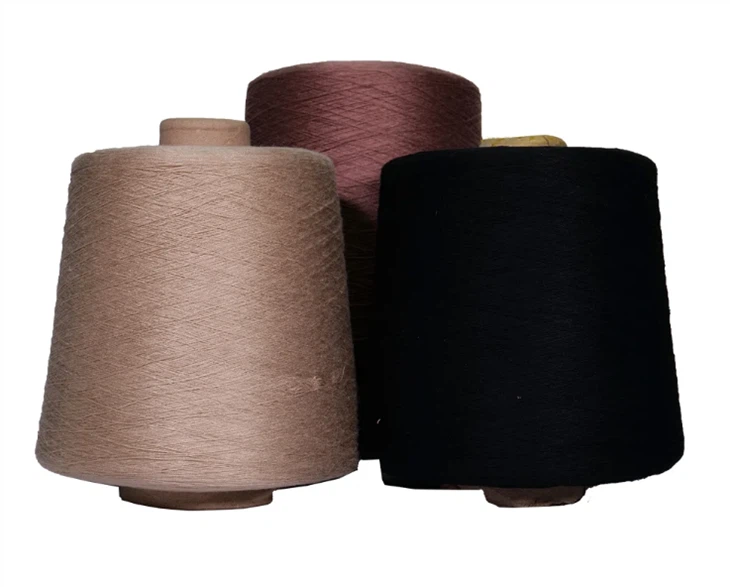
Is It Possible to Wash Yarn?

Yes, it is possible to wash yarn. The washing process can help to remove any oils, dirt, or other contaminants that may be present in the yarn, and can also help to soften the yarn or prepare it for dyeing. There are a few different methods for washing yarn, depending on the type of yarn and the desired outcome. Some common methods include soaking the yarn in warm water and a gentle detergent, using a washing machine on a delicate cycle, or hand-washing the yarn in a sink. Regardless of the method used, it is important to be gentle with the yarn during the washing process to avoid tangling or damaging the fibers. After washing, the yarn can be hung to dry or placed on a flat surface to air-dry.
Our factory
Zhangjiagang Hanzhuo Textile Co., Ltd. is an enterprise specializing in yarn research and development, production and sales. The company has advanced yarn production equipment and a high-quality technical management team. A complete and scientific quality management system and perfect marketing services.The company always adheres to the business philosophy of "excellent quality, excellent service". For a long time, the company has relied on first-class product quality, efficient service and competitive price. Rapidly develop domestic and foreign markets, and are well received by customers. The products are sold to Europe, America, Southeast Asia and domestic first-line brand companies. We sincerely welcome customers at home and abroad to communicate sincerely, and are willing to provide you with yarn technical support free of charge!

FAQ
Q: What is yarn?
Q: What is yarn made of?
Q: How is yarn made?
Q: What are the different types of yarn?
Q: What are the different yarn weights?
Q: How do I choose the right yarn for my project?
Q: How much yarn do I need for my project?
Q: Is it possible to wash yarn?
Q: What is 100% silk?
Q: What are the benefits of 100% silk?
Q: How should I care for my 100% silk clothing?
Q: Is 100% silk expensive?
Q: Can 100% silk be dyed?
Q: Is 100% silk eco-friendly?
Q: What types of clothing are made with 100% silk?
Q: What is 100% wool?
Q: How is 100% wool made?
Q: What are the benefits of 100% wool?
Q: How do you care for 100% wool?
Q: Is 100% wool hypoallergenic?
As one of the leading yarn manufacturers and suppliers in China, we warmly welcome you to wholesale high-grade yarn for sale here from our factory. All customized products are with high quality and competitive price.
Hand Knittingcotton yarn, Acrylic yarn, 5ply 4ply 100 Cashmere 50g Hand Yarn Hand Knitting Yarn