


What Is Acrylic Fiber
Acrylic fiber is a synthetic fiber made from a polymer called polyacrylonitrile (PAN). It is a lightweight, soft, and warm fiber that is often used as a substitute for wool, as it has similar properties. Acrylic fibers can be made into different types of yarns and fabrics, and they are also used in clothing, upholstery, carpets, and outdoor furniture. Acrylic fibers are easy to care for and can be machine washed and dried, making them a popular choice for everyday use.
Advantages of Acrylic Fiber
Soft and comfortable
Acrylic is also very lightweight, making it a popular choice for clothing and accessories. It is often blended with other fibers such as wool or cotton to enhance its properties, such as increasing its durability and reducing pilling. Additionally, acrylic fiber is easy to care for and can be machine-washed and dried without losing its shape or softness.
Lightweight
Acrylic fibers are very lightweight and can be used to make lightweight garments that are easy to wear and move around in.This makes them a great choice for summer clothing, as well as for sportswear or outdoor activities where mobility is important.
Durable
Acrylic fibers are also known for their strength and elasticity, which makes them ideal for use in textiles and clothing that undergo frequent wear and tear. These fibers can withstand heavy usage without breaking down or losing their shape, which reduces the need for frequent replacements.
Colorfast
This makes them ideal for use in clothing that is subjected to frequent washing or exposure to sunlight, such as outdoor fabrics or swimwear. The fibers are also resistant to mildew and other types of damage, which helps them last longer and stay looking new. Additionally, colorfast acrylic fibers tend to be soft and comfortable to wear, making them a popular choice for clothing and accessories.
Versatile
Acrylic fibers can be made into a variety of different textiles, from clothing to carpets and upholstery. This makes them a versatile choice for a wide range of applications.
Quick-drying
Acrylic fibers are quick-drying, making them a good choice for sportswear or outdoor clothing that may get wet.


Why Choose Us
High quality
Our products are manufactured or executed to a very high standard, using the finest materials and manufacturing processes.
Advanced equipment
A machine, tool or instrument designed with advanced technology and functionality to perform highly specific tasks with greater precision, efficiency and reliability.
Customized services
Our team of experts will work closely with you to understand your needs and will provide solutions that are tailored to meet your expectations.
Quality control
We have built a professional quality control team to accurately inspect every raw material and every production process.
Professional team
Professional team
Our professional team collaborates and communicates effectively with each other, and is dedicated to delivering high quality results. We are capable of handling complex challenges and projects that require our specialized expertise and experience.
24H online service
We try and respond to all concerns within 24 hours and our teams are always at your disposal in case of any emergencies.
Types of Acrylic Fiber

Staple acrylic fiber
This is a type of acrylic fiber that is made by cutting acrylic polymer into small pieces and then spinning it into yarn. The fibers are generally short, fluffy, and can be blended with other types of fibers to create different yarn textures and properties.
Filament acrylic fiber
This is a type of acrylic fiber that is made by extruding the acrylic polymer through small holes called spinnerets to create long, continuous filaments. These fibers are typically more lustrous and smoother than staple acrylic fibers, making them ideal for use in fabrics that require a silk-like texture or shine.
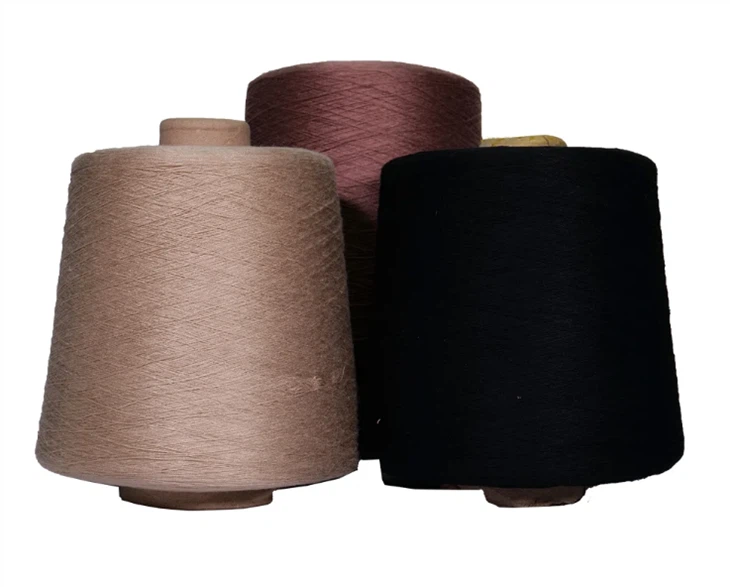

Acrylic fiber is a synthetic fiber made from acrylonitrile, a petroleum-derived chemical. The material is processed into a soft, lightweight and warm fabric that is commonly used for knitting clothing, sportswear, and blankets. Because it is a synthetic material, it is resistant to shrinkage, wrinkles, and fading. It is also hypoallergenic and can be easily dyeable with vibrant colors. Acrylic fiber is a cost-effective alternative to natural fibers like wool and cotton, making it a popular choice for consumers seeking affordable yet quality clothing options.
Application of Acrylic Fiber
Clothing and textiles
Acrylic fiber is widely used in clothing and textiles, such as sweaters, socks, and blankets. It has a soft and warm texture, and is often used as a substitute for wool.Acrylic is also known for its ability to retain color and withstand wear and tear, making it a popular choice for durable knitwear and outdoor clothing.
Carpets and rugs
Acrylic fiber is commonly used in carpets and rugs due to its durability and resistance to stains and fading. It is especially popular in outdoor settings, such as patios and pool areas, as it can withstand exposure to sunlight and moisture.
Outdoor furniture
Acrylic fiber is a synthetic material that has become popular for outdoor furniture due to its durability and low maintenance. It is resistant to UV rays, moisture, and mildew, making it an excellent choice for outdoor settings. It is also lightweight and easy to clean, making it a practical option for patio and poolside furniture.
Industrial applications
Acrylic fiber is used in a variety of industrial applications, such as insulation and filtration. It is also commonly used in the automotive industry for seat covers and interior trim.In the insulation industry, acrylic fibers are used in both thermal and acoustic insulation. They are used in walls, roofs, and floors of buildings to provide insulation and sound-proofing.
Arts and crafts
Acrylic fiber is popular among artists and crafters because it can be easily dyed and woven, and is available in a wide range of colors. It is often used in knitting, crocheting, and weaving projects.Acrylic fiber is also popular in the world of painting, especially for beginners or those on a budget. Acrylic paints are quick-drying, water-soluble, and versatile, making them ideal for a wide range of painting techniques.
Process of Acrylic Fiber

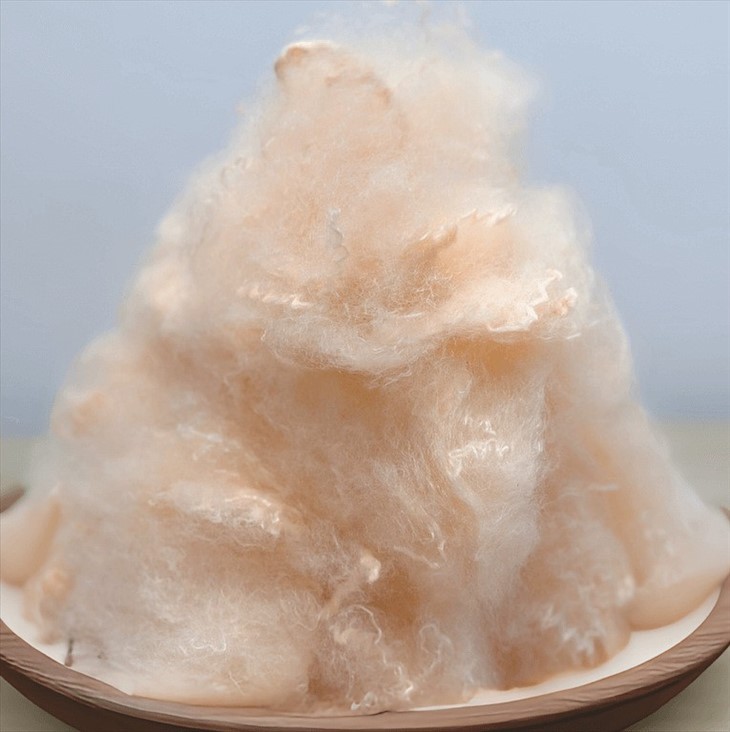
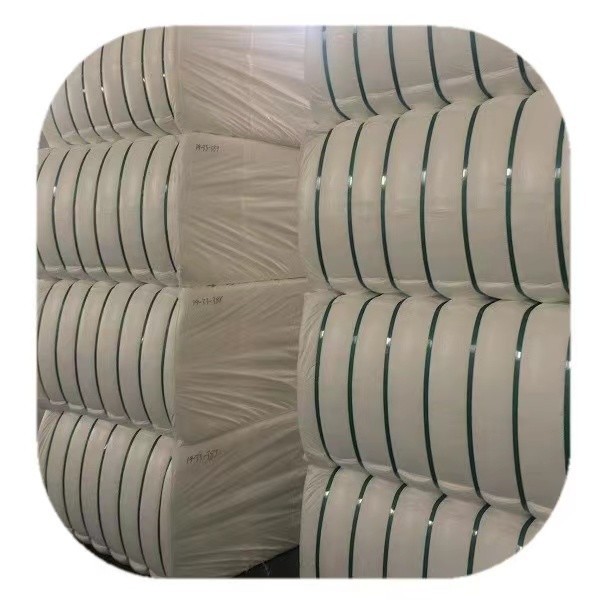
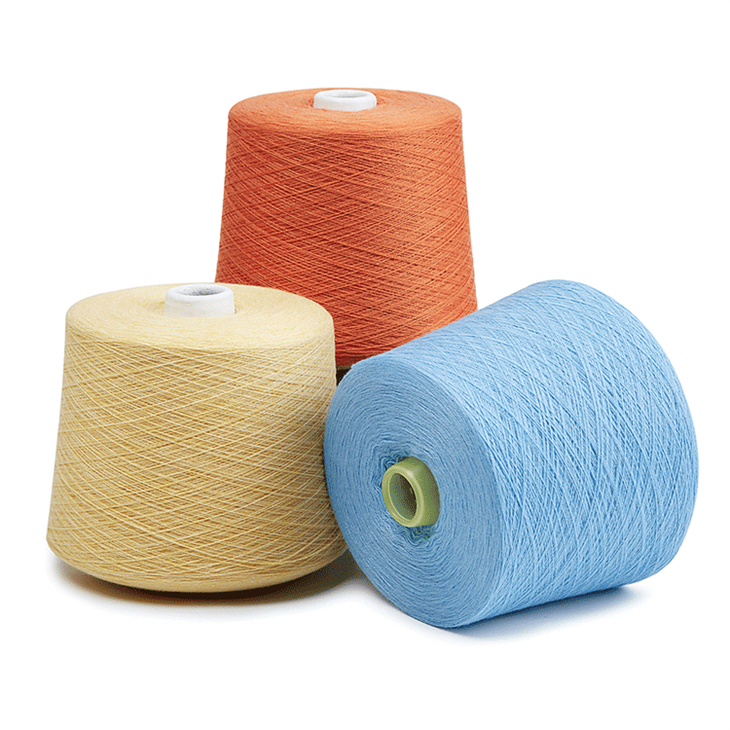
Polymerization
The process starts with the creation of PAN polymer. The monomers of acrylonitrile are reacted with various catalysts to form a polymer with a molecular weight of around 100,000.This polymer is then dissolved in a solvent, typically dimethylformamide (DMF) or dimethylacetamide (DMAC), and spun into fibers through a process called wet spinning.
Spinning
The polymer is then melted and cooled, forming a solid material. This is then ground into chips or crimped and placed in hoppers. The chips are then fed into a spinning machine where they are spun into a loose rope-like material called tow.
Drawing
After the drawing process is complete, the fibers may be subjected to various finishing treatments such as sizing, coating, or dyeing, depending on the intended application. These treatments can further enhance the physical and chemical properties of the fibers.
Crimping
The fibers are then crimped to create the desired texture. This is done by heating the fibers and then cooling them quickly to create the crimp.The crimp is what gives the fiber its bounce and resilience, as well as its ability to hold its shape and provide insulation. Different types of crimping processes can create different levels of texture, from smooth and straight to highly crimped and curly.
Cutting
The crimped fibers are then cut into staple fibers of the required length.This process involves the use of cutting machines that divide the crimped fibers into shorter lengths, typically ranging from 0.5 to 18 inches. The length of the staple fiber is determined by the end-use application of the fiber.
Finishing
The fibers are then washed, dried, and processed with various chemicals to improve their performance. These chemicals include anti-static agents, flame retardants, and softeners.
Spinning into yarns
The fibers are then spun into yarns using various spinning methods like friction, twist, and air-jet spinning.After the yarn is spun, it may undergo additional processes like plying (twisting multiple strands of yarn together) or dyeing to achieve the desired color.
Dyeing and finishing
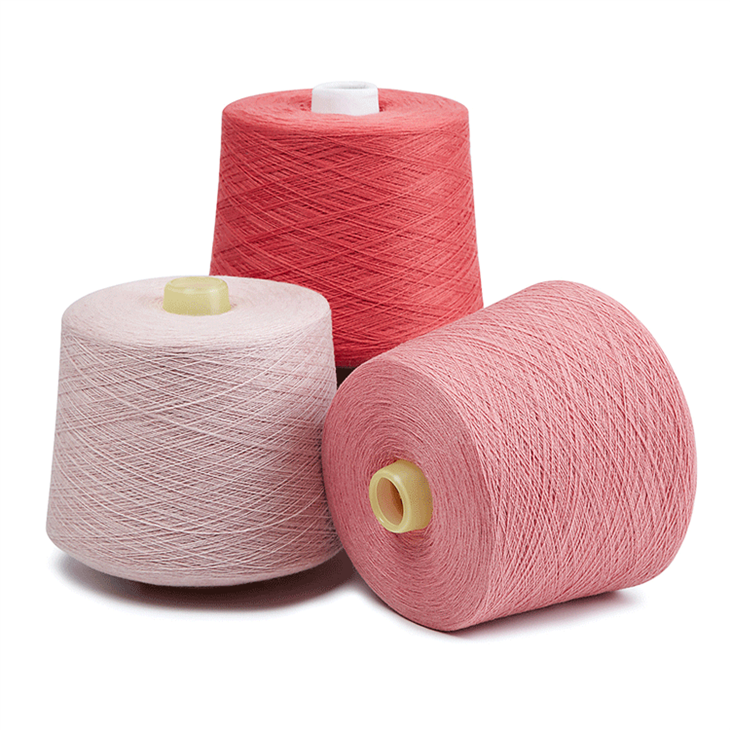
The yarns are then dyed and finished to create the final product.Once the yarns are dyed and finished, they are wound onto cones or spools and sent to be used in the production of garments, textiles, or other products.
Type of acrylic fiber - There are two main types of acrylic fibers, staple fiber and continuous filament fiber. Staple fibers are short pieces of yarn that are spun into a longer thread, while continuous filament fibers are long strands that are not spun. Choose the one that best suits your needs.
Quality - The quality of acrylic fiber can vary depending on the manufacturer. Look for high-quality acrylic fiber that is durable, soft, and doesn't pill. Check the label for information about the fiber's quality.
Color - Acrylic fibers come in a wide range of colors, so choose the one that best suits your project. Remember that the color may fade over time.
Texture - Acrylic fibers can have a range of textures from soft and fluffy to coarse. Consider the texture of the fiber to determine if it suits your knitting or crocheting style.
Weight - Acrylic fibers come in different weights. Choose the weight that best suits your project and the desired thickness of the finished product.
Price - Acrylic fiber is generally more affordable than natural fibers such as wool or cotton. Consider the price when choosing acrylic fiber, but keep in mind that cheaper options may be lower quality.
Composition - Acrylic fibers may be blended with other fibers, such as wool or cotton. Consider the composition of the fiber to determine if it suits your needs, such as the desired warmth or softness.
Care - Acrylic fiber is generally easy to care for and can be machine washed and dried. Check the label for care instructions and consider what method of care suits your needs.
How to Maintain Acrylic Fiber

Wash in cold water
Hot water can cause the fibers to tighten up and become misshapen, leading to shrinking and loss of softness. Cold water will help to preserve the shape and texture of the garment, making it last longer and look better. Additionally, using a gentle detergent and avoiding harsh chemicals can also help to protect the fibers and keep the garment looking its best. Follow these simple care instructions to ensure that your acrylic clothing stays in top condition for years to come.
Use mild detergent
Harsh detergents can break down and damage the delicate fibers of some fabrics, causing them to shrink, fade, or lose their shape. To avoid this, it's important to use a mild detergent that will be gentle on the fabric. Look for detergents that are labeled as "gentle" or "delicate" and avoid those that contain bleach or other harsh ingredients.

Avoid lint and stains
Launder clothes frequently to prevent the buildup of body oils, sweat, and other substances that can cause staining. Use caution when handling dark colors, as they may bleed onto lighter items. Avoid using harsh chemicals or bleach on delicate fabrics, as this can cause discoloration or damage. Store clothes in a clean, dry place and avoid hanging them in direct sunlight, which can cause fading.

Do not bleach
Bleaching can be harmful to acrylic fiber as it can damage the fibers and cause them to weaken, which can lead to color fading and texture loss. Therefore, it is best to avoid using bleach when washing or cleaning acrylic fiber garments and accessories. Instead, you can opt for gentle detergents and mild cleaning methods to keep acrylic fiber items looking their best.

Dry flat
Acrylic fiber has a tendency to stretch when it is wet, so hanging it can cause the fibers to become distorted and lose their shape. To dry acrylic fiber flat, first remove any excess water by gently pressing the garment between towels. Then, lay the garment flat on a clean, dry surface such as a towel or drying rack.

Iron with care
You should also avoid using steam and be sure to never leave the iron in one spot for too long, as this can cause the fibers to melt and become damaged. Additionally, it's best to hang or fold acrylic clothes promptly after washing to prevent wrinkles from setting in.
Our factory
Zhangjiagang Hanzhuo Textile Co., Ltd. is an enterprise specializing in yarn research and development, production and sales. The company has advanced yarn production equipment and a high-quality technical management team. A complete and scientific quality management system and perfect marketing services.The company always adheres to the business philosophy of "excellent quality, excellent service". For a long time, the company has relied on first-class product quality, efficient service and competitive price. Rapidly develop domestic and foreign markets, and are well received by customers. The products are sold to Europe, America, Southeast Asia and domestic first-line brand companies. We sincerely welcome customers at home and abroad to communicate sincerely, and are willing to provide you with yarn technical support free of charge!

FAQ
Q: What is acrylic fiber?
Q: How is acrylic fiber made?
Q: What are the advantages of acrylic fiber?
Q: What are the disadvantages of acrylic fiber?
Q: What are the uses of acrylic fiber?
Q: How do I care for acrylic fiber?
Q: How is acrylic fiber manufactured?
Q: Is acrylic fiber eco-friendly?
Q: Is acrylic fiber like wool?
Q: Is acrylic a strong fiber?
Q: Is acrylic a cellulose fiber?
Q: Why is acrylic fiber good?
Q: Is acrylic fiber hydrophobic?
Q: Which is better acrylic or polyester?
Q: Is acrylic fibre natural?
Q: Is acrylic warmer than wool?
Q: Is acrylic fiber elastic?
Q: Is 100% acrylic a good fabric?
Q: Is acrylic good for sweaters?
Q: What are the pros and cons of acrylic fibre?
Hot Tags: acrylic fiber, China acrylic fiber manufacturers, suppliers, factory


